
By Dr. James Whitaker – Scientist, Systems Health Research, OwlCore Wellness Group
Healthy hearing is essential for clear communication, cognitive sharpness, and overall well-being. It allows us to engage with others, interpret our surroundings, and preserve independence with age.
Hearing loss and related challenges are a major and growing public health concern. The World Health Organization reports that over 430 million people worldwide live with disabling hearing loss, a figure expected to rise substantially as populations age. In the United States, approximately one in three adults over age 65 experiences some degree of hearing difficulty.
Early warning signs are frequently subtle: needing to raise TV volume, difficulty understanding speech in background noise, or noticing mild ringing (tinnitus). Ignoring these cues accelerates oxidative stress and progressive damage to cochlear hair cells, resulting in faster hearing loss progression, increased cognitive strain, and diminished quality of life.
Evidence-based prevention focuses on protective habits and physiological support: limiting noise exposure, maintaining good vascular health, and addressing inflammation early to safeguard cochlear integrity, inner-ear microcirculation, and neural pathways involved in age-related decline and tinnitus.
👉 Take the first step toward protecting your auditory health with OwlCore Approved Nutraceuticals—science-backed support for long-term ear wellness.

By Dr. Ava Lin – Pharmacologist, OwlCore Wellness Research Group
Natural compounds support auditory health through targeted physiological mechanisms, drawing from traditional use and validated by modern pharmacology. These ingredients act synergistically to protect cochlear structures, improve circulation, reduce inflammation, and modulate neural activity.
Polyphenols improve microvascular circulation in the inner ear and provide strong antioxidant protection to cochlear hair cells. This reduces oxidative stress, supporting long-term ear wellness and serving as a complementary approach for tinnitus management.
Helps maintain glucose and metabolic balance. Research explores its role in protecting auditory pathways from vascular and metabolic damage, factors increasingly linked to progressive hearing decline.
Functions as an inhibitory neurotransmitter that reduces neural excitability in the auditory cortex. This mechanism helps alleviate tinnitus symptoms and supports relief from stress-related auditory overactivity.
Supplies catechins and flavonoids with anti-inflammatory and antioxidant properties. These protect auditory neurons and vascular structures in the middle and inner ear, contributing to prevention of oxidative damage over time.
Acts as an adaptogen to support hormonal balance and overall resilience. Preliminary evidence indicates benefits for auditory-cognitive integration, aiding coordinated brain-ear function for improved hearing performance.
Contains capsaicinoids that promote vasodilation and enhanced blood flow. This improves nutrient delivery to auditory tissues, helping to guard against degenerative changes in ear health.
These mechanisms collectively shield cochlear cells from oxidative damage, calm hyperactive auditory pathways, enhance inner-ear blood supply, and bolster systemic support—providing evidence-based options for maintaining healthy hearing and addressing early decline.
👉 Experience the synergy of science and tradition with OwlCore Approved Nutraceuticals—trusted support for ear wellness and long-term treatment for hearing problems.

By Dr. James Whitaker – Scientist, Systems Health Research, OwlCore Wellness Group
Safety equals effectiveness in supporting healthy hearing. Any intervention must protect long-term auditory function without creating new risks.
Clinical tools like hearing aids and medications deliver benefits when managed correctly:
Natural compounds, while often better tolerated, still require informed use:
Professional guidance ensures proper integration, maximizing benefits while minimizing adverse effects.
Attempting to treat symptoms like tinnitus, fullness, or minor infections without evaluation can delay proper care:
Effective management combines medical assessment with evidence-based nutraceuticals and lifestyle adjustments under supervision.
Consistent habits prevent damage and support resilience:
These steps reduce oxidative stress, preserve cochlear integrity, and slow progression of noise-induced or age-related hearing issues.

By Dr. James Whitaker – Scientist, Systems Health Research, OwlCore Wellness Research Group
Maintaining auditory health is a universal concern, from urban environments to rural communities worldwide. Different cultures have developed traditional approaches to address challenges like tinnitus, age-related decline, and infections, often integrating herbal remedies, energy balance, and lifestyle practices.
In Traditional Chinese Medicine (TCM), hearing issues such as tinnitus or decline are frequently linked to imbalances in qi flow, particularly deficiencies in kidney yin/yang or liver qi stagnation. These disrupt nourishment to the ear orifices, contributing to symptoms. Practices include herbal tonics (e.g., green tea for antioxidant support) and acupuncture to restore balance and reduce auditory stress.
In Ayurvedic traditions of India, hearing difficulties arise from dosha imbalances (primarily vata disruption affecting nerve transmission and circulation). Remedies focus on herbs and tonics to improve blood flow, calm nervous hyperactivity, and support sensory vitality, with modern research exploring adaptogens for auditory-cognitive coordination.
Western medicine emphasizes audiological tools (e.g., hearing aids for communication support) and pharmacological options for inflammation or infections. Increasingly, integrative strategies combine these with evidence-based nutraceuticals to protect cochlear structures, enhance microcirculation, and modulate neural activity—bridging conventional and natural methods for long-term ear wellness.
In various indigenous communities of Africa and the Americas, sound and hearing hold cultural significance, often tied to community rituals, rhythmic practices, and plant-based preparations. These experiential approaches aim to align sensory perception with environmental and spiritual harmony, reflecting long-standing knowledge of ear care, though formal scientific validation varies.
Despite diverse methods, the shared objective is preserving auditory function to support communication and well-being. Integrating cultural insights with evidence-based science offers comprehensive options for preventing and managing hearing challenges.
👉 Discover how OwlCore Approved Nutraceuticals unite global wisdom with scientific validation to support healthy hearing and lasting ear health.
[ 🔗 Explore OwlCore Nutraceuticals ]
By Dr. Eleanor Harper – Trained Physician, OwlCore Wellness Research Group
Auditory health benefits from consistent, proactive measures: protect against excessive noise, support inner-ear circulation and antioxidant defenses through nutrition, and address early signs like tinnitus or subtle decline with professional evaluation. These steps—rooted in scientific understanding—help preserve cochlear function, reduce neural stress, and maintain clear communication over time.
Prioritize regular screenings and informed habits to sustain hearing resilience throughout life.
👉 Explore OwlCore Approved Nutraceuticals—science-backed, safety-validated, and designed to protect your hearing today and tomorrow.
[ 🔗 Explore OwlCore Nutraceuticals ]
Healthy hearing describes the optimal ability of the auditory system to detect, process, and interpret sound clearly. General ear health encompasses the entire structure—including the outer, middle, and inner ear—plus related functions like balance and protection from infection. Supporting both preserves clear listening and overall well-being.
Common initial indicators include muffled sounds, trouble following conversations in background noise, persistent ringing (tinnitus), needing higher TV volume, or frequently asking others to repeat themselves. These signals warrant prompt attention to prevent progression.
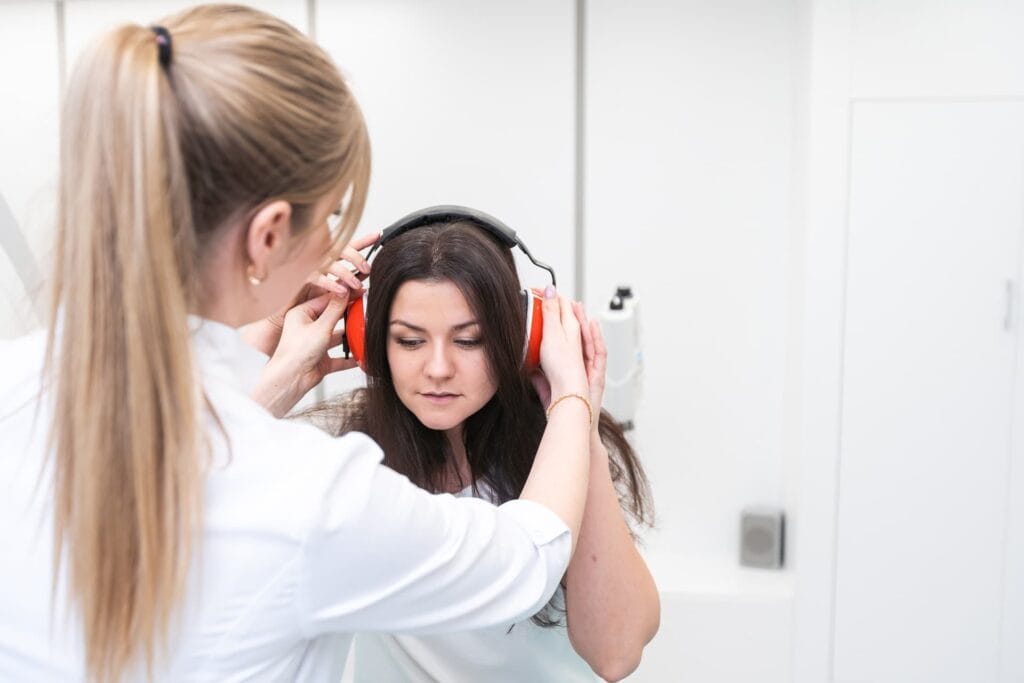
Diagnosis typically involves audiometric testing, tympanometry, otoscopic examination, and speech-in-noise assessments. For tinnitus or complex cases, additional evaluations may include neurological or vascular imaging.
Standard approaches include hearing aids (for amplification and tinnitus masking), sound therapy, auditory training, and medical management of underlying causes. Complementary strategies focus on reducing oxidative stress, supporting microcirculation, and modulating neural activity through evidence-based nutraceuticals and lifestyle adjustments.
Yes. Key practices include limiting noise exposure, following the 60/60 listening rule, avoiding cotton swabs in the ear canal, maintaining hydration and antioxidant-rich nutrition, and managing stress to reduce tinnitus exacerbation.
Evidence points to several compounds that target physiological mechanisms:
Hearing aids address immediate sound processing and masking needs, while nutraceuticals target underlying biological factors—such as circulation, cellular protection, and neural balance—for more comprehensive, long-term auditory support.
Not always, especially age-related or noise-induced cases. However, progression can often be slowed or managed effectively through early intervention, protective habits, and supportive compounds.
Yes. Untreated hearing challenges are associated with increased cognitive strain, social isolation, emotional effects, and even higher fall risk due to reduced spatial awareness.
Seek professional evaluation for persistent tinnitus, sudden or gradual changes in hearing, difficulty in noisy settings, frequent infections, or any unilateral symptoms. Early assessment helps preserve function.
👉 🌿 Support your hearing with OwlCore Approved Nutraceuticals – scientifically validated plant-based blends for auditory balance, treatment for hearing problems, and lasting clarity.
[ 🔗 Explore OwlCore Nutraceuticals ]